
 Tiếng Việt
 English
 한국어
 简体中文
 繁體中文
 Русский
Phu Quoc Prison Review 2026: A Wartime Historical Site on the Pearl Island
- Where Is Phu Quoc Prison? (South or North of the Island?)
- The History of Phu Quoc Prison (Coconut Tree Prison)
- Cost of Visiting Phu Quoc Prison 2026
- Highlights of the Historical Site
- Tips for Visiting Phu Quoc Prison
- Other Attractions to Combine with Phu Quoc Prison
- FAQ: Frequently Asked Questions About Visiting Phu Quoc Prison
Phu Quoc Prison is more than a well-known attraction. It is a Special National Historical Site, marking a painful yet heroic chapter in Vietnam's wartime history.
Today, the Phu Quoc Prison historical site holds thousands of artefacts, photographs and documents, along with lifelike reconstructions of daily life for the revolutionary soldiers once imprisoned here.

Phu Quoc Prison review 2026.
If this is your first trip to Phu Quoc and you'd like to learn more about local history and culture, the Phu Quoc Prison historical site is a must-see. You can also combine it with a tour of the south of the island, taking in other famous spots such as Bai Sao, Bai Khem, Ho Quoc Pagoda or the Kiss Bridge and the Mediterranean-style town (Sunset Town Phu Quoc).
Where Is Phu Quoc Prison? (South or North of the Island?)
Phu Quoc Prison (also known as Coconut Tree Prison) is in the south of the island, in An Thoi commune, Phu Quoc Special Zone, Kien Giang province, about 28km from Duong Dong. It is one of the largest Special National Historical Sites still preserved in Vietnam today.
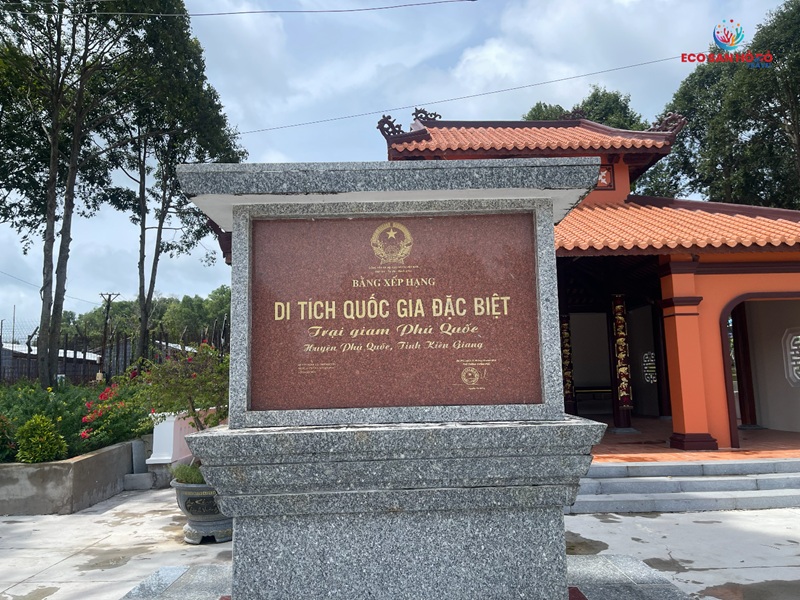
Phu Quoc Prison is one of Vietnam's Special National Historical Sites.
- Address : 350 Nguyen Van Cu, An Thoi, Phu Quoc.
- Type : Special National Historical Site in Phu Quoc.
- Distance from Duong Dong : ~28km.
- Travel time : 35-45 minutes (depending on transport).
- Ideal for : Families, school and university students, and anyone interested in Vietnam's history.
Google Maps directions to Phu Quoc Prison.
Because it sits on the main tourist route through the south of the island, it's easy to combine with other popular attractions such as:
- Bai Sao.
- Ho Quoc Pagoda.
- An Thoi Port.
- Sunset Town Phu Quoc
- Kiss Bridge.
- Hon Thom Cable Car station.
The History of Phu Quoc Prison (Coconut Tree Prison)
Where the name "Coconut Tree Prison" comes from
During the war, the prison camp was built among vast rows of coconut palms, so locals came to call it Coconut Tree Prison. The name is still used alongside Phu Quoc Prison in many historical documents today.
The Phu Quoc Prison historical site.
Size and number of prisoners held
Phu Quoc Prison was built during the Vietnam War and once held more than 40,000 political prisoners and revolutionary soldiers. Covering around 400 hectares, it was divided into multiple zones surrounded by dense barbed-wire fences, watchtowers and a tightly controlled security system.
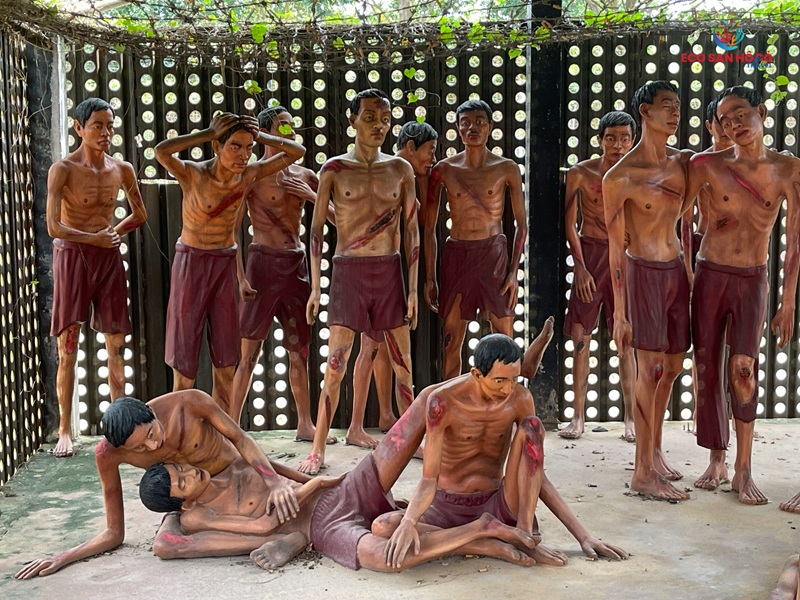
More than 40,000 Vietnamese soldiers were once held prisoner here.
After the country was reunified, the prison was preserved, restored and turned into the Phu Quoc Prison museum.
Cost of Visiting Phu Quoc Prison 2026
Is there an entrance fee at Phu Quoc Prison?
Entry is free for everyone.
Opening hours of the prison historical site
Visitor information for the historical site (updated 2026)
- Entrance fee: Free.
- Opening hours: 07:30 - 17:00.
- Last entry: 16:45.
- Suggested visit time: 60 - 120 minutes.
- Parking: available.
Larger groups will be accompanied by a guide who explains the history behind each reconstructed scene.
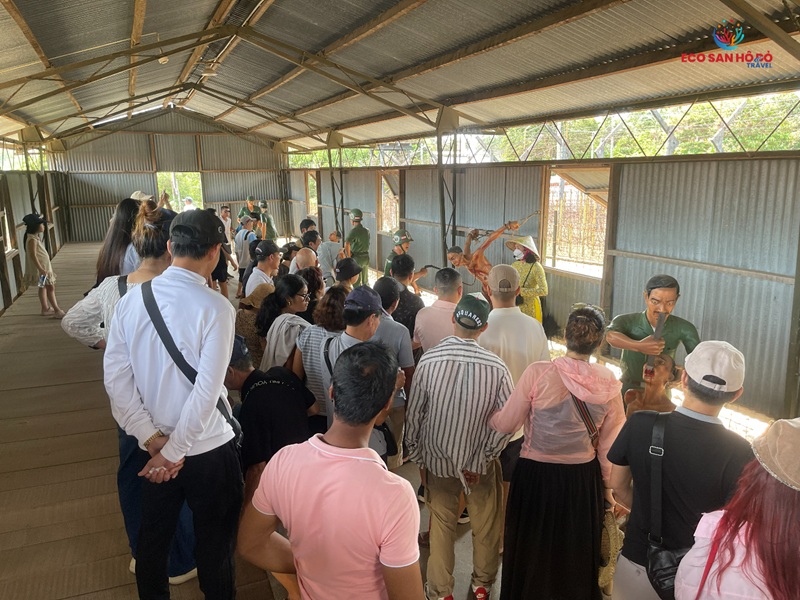
Free guides at the Phu Quoc Prison historical site.
Highlights of the Historical Site
There may not be many photogenic spots here, but the site leaves a lasting impression on many visitors. If it's your first visit, use the highlights and suggested route below as your guide.
Main gate
As soon as you step through the main gate, you'll notice the atmosphere is unlike anywhere else in Phu Quoc. Instead of lively noise and bustling crowds, there's a quiet, solemn stillness.
Martyrs' Memorial
The Martyrs' Memorial stands right at the prison entrance, on your right as you come through the gate. It was built in memory of the thousands of revolutionary soldiers who gave their lives while imprisoned at the Phu Quoc camp.
Take a few minutes to light incense and pay tribute to those who sacrificed themselves for their nation and for peace.
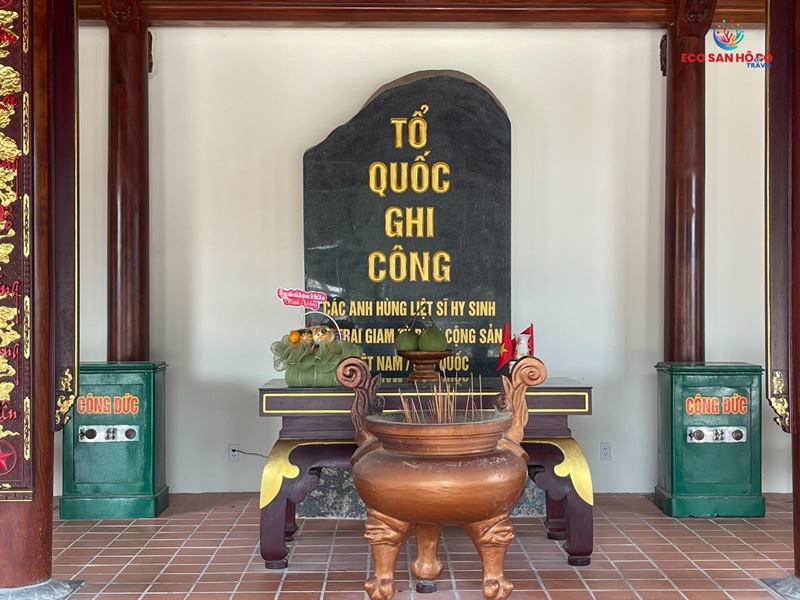
Lighting incense in memory of the soldiers who bravely gave their lives during the war.
Artefact exhibition area
Inside the exhibition area, you'll find hundreds of historical documents, photographs, maps and surviving artefacts. Rather than reconstructions, this section lets visitors see first-hand the genuine evidence and traces left behind by a chapter of history.

The prison's artefact exhibition area. (Photo: collected)
Some of the artefacts and documents you'll see include:
- Prisoner records.
- Lists of the soldiers held here.
- Archive photos from each period of the prison's history.
- Prisoners' everyday items.
- Leg and wrist shackles used on prisoners.
- Belongings of the prisoners and soldiers.
Although worn by the years, the artefacts have been carefully preserved, keeping their historical value all the more authentic.
Unlike a textbook, this area brings history to life. If you're visiting with children or students, it's a great place to help them truly understand their nation's history.
Tiger Cages
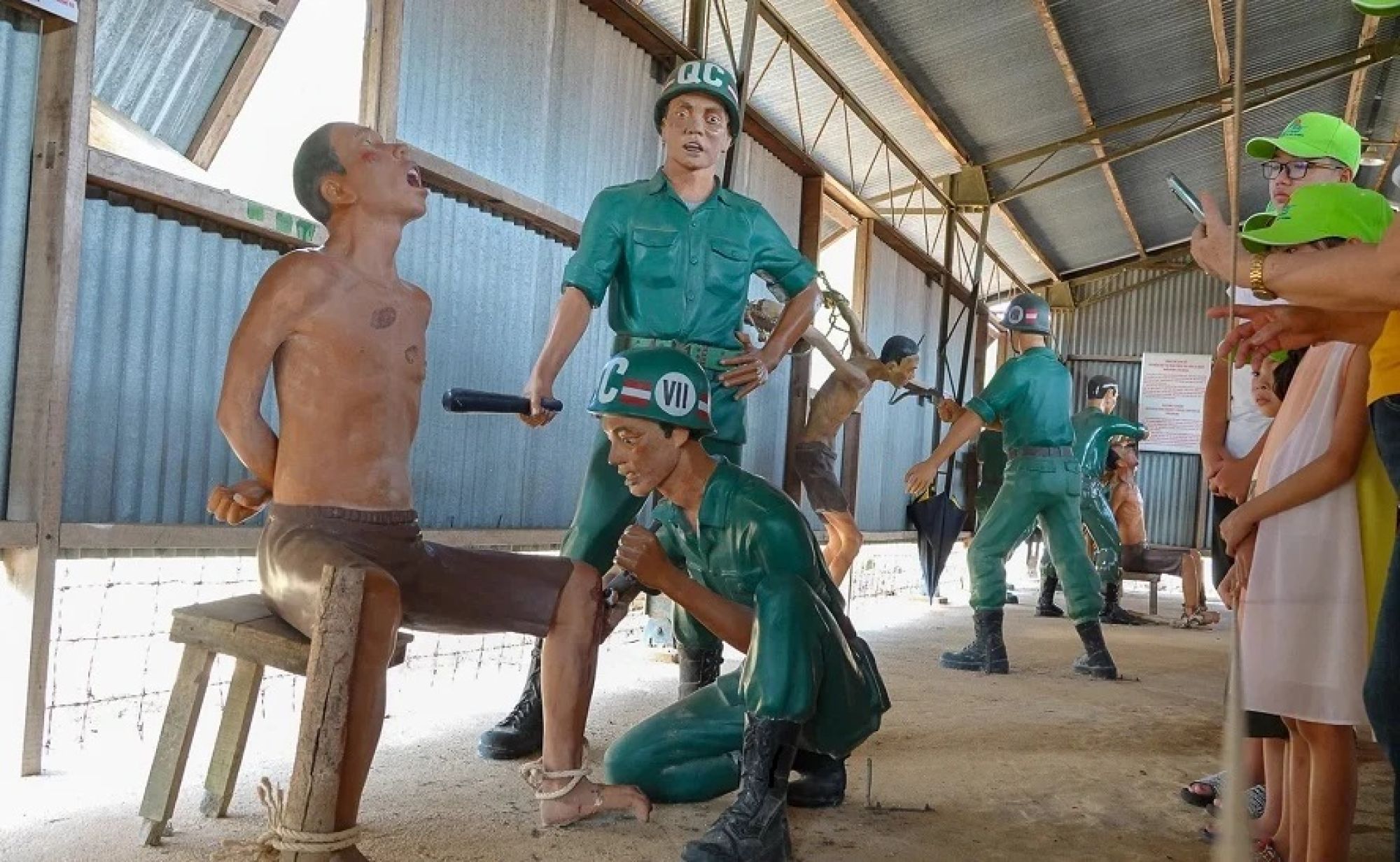
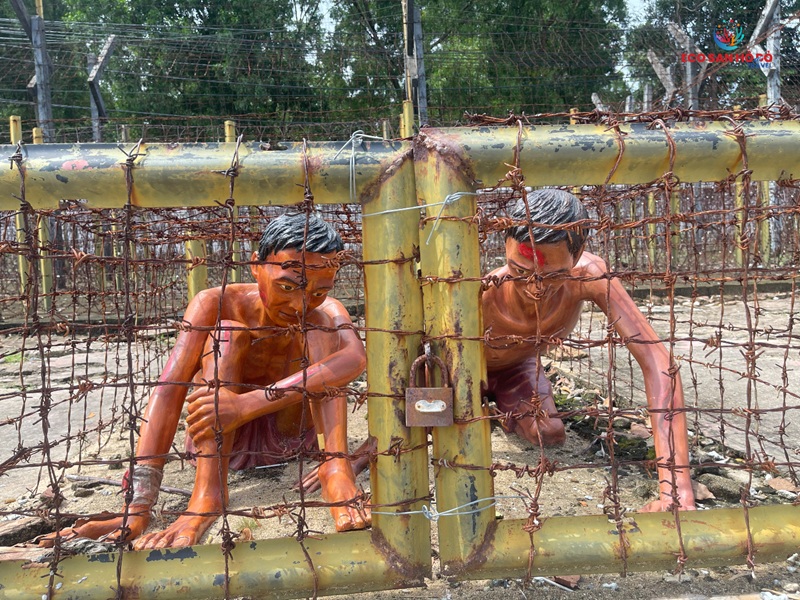
This area features reconstructions based on surviving artefacts kept almost in their original state, recreating the forms of torture that took place during the war.
You'll see scenes of soldiers locked in tiger cages, shackled by the legs for days on end, exposed to the scorching sun and pouring rain, and subjected to many other kinds of torment.
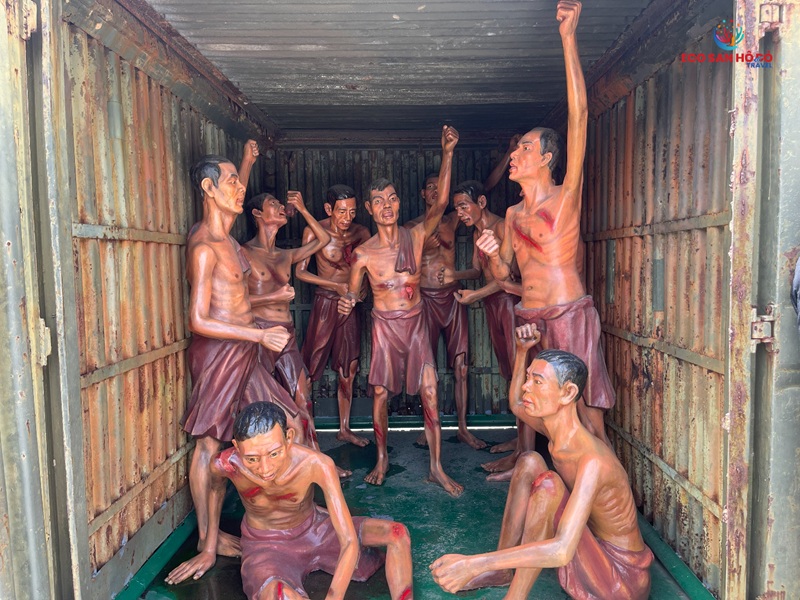
The soldiers endured terrible suffering while tortured in the tiger cages.
Even though these are only reconstructions, many visitors are deeply moved to see the suffering the soldiers endured.
Reconstructed prison camp
Although it's the final stop on a Phu Quoc Prison visit, this area is truly vast.
The cell blocks, walkways, fences, watchtowers and living quarters have all been recreated, making visitors feel as though they've stepped into a real prison camp.

The prison camp at Phu Quoc Prison.
Each cell is cramped, with a low cement floor and little light. Washing, toilet and eating areas were shared and severely limited, providing only the bare minimum needed to survive.
Many of the cells also recreate scenes showing the torture that prisoners endured while they were held here.

A recreated torture scene inside a prison cell. (Photo: Collected)
As your visit draws to a close, we hope it leaves you with a deeper feeling for and understanding of history, and a renewed appreciation of how fortunate we are to live in a time of peace.
Tips for Visiting Phu Quoc Prison
Phu Quoc Prison is a place that calls for respect. Besides keeping noise to a minimum, visitors should bear the following guidelines in mind.
Dress neatly and respectfully
What you wear is always a priority when visiting a solemn site. Choosing neat, appropriate clothing not only shows respect for history but also helps maintain a respectful atmosphere for everyone visiting.
Some suggested outfits for your visit:
- Sleeved tops or polo shirts (collared shirts).
- Long trousers or shorts that come below the knee.
- Modest long skirts or dresses.
- Trainers or flat sandals so you can walk around comfortably.
- A hat, sunglasses or an umbrella, as most of the visit is outdoors and it can get very hot.
Can you take photos?
Although it is a solemn site, one thing that sets Phu Quoc Prison apart is that photography and filming are allowed.
That said, any photos or videos should be taken for sightseeing, sharing, keeping memories or passing on the site's historical significance, rather than for entertainment or inappropriate content.

A popular photo spot at Phu Quoc Prison. (Photo: Collected)
The Phu Quoc Prison stone sign is a great place to stand for a photo. It's the most recognisable and iconic photo spot for travellers.
If you'd like to fly a drone to capture the whole site from above, check the regulations in advance and obtain all the necessary permits before filming to stay safe and compliant. The area is surrounded by military and police units, and many flying devices are prohibited.
What time should you visit, and how long does it take?
As most of the visit takes place outdoors, it's worth planning your schedule carefully so you can enjoy a comfortable experience.
Here are the best times to visit:
- 07:30 - 09:30 : Just after opening in the early morning, before the midday heat sets in.
- 15:00 - 16:30 : Ideal for both tour groups and independent travellers, and easy to combine with a visit to the Mediterranean-style town (Sunset Town).
✖️ Try to avoid visiting around midday, when the sun is fierce and the heat can really sting your skin, which is especially unpleasant for women.
How long you spend here depends on what you want from your visit. If you're exploring independently and have several other stops planned, around 30-45 minutes is enough.
If you'd like to take your time and really soak up the historical atmosphere, your visit could last 60 minutes or as long as 1 hour 30 minutes (120 minutes).
Visit independently or join a tour for a richer experience.
In fact, Phu Quoc Prison is very easy to reach, making it suitable both for tour groups and for independent travellers getting around by motorbike or car.
If you go independently, you'll be in full control of your time, with only the cost of renting a motorbike or car to get around. Having your own transport also means you can easily combine other sights with your visit to Phu Quoc Prison.
👉 If it's your first time visiting, you won't want to miss our Phu Quoc travel guide for first-timers. Or, for plenty more handy tips, take a look at our articles on Phu Quoc travel tips.
Here are some Phu Quoc Prison tour itineraries you can choose from:
- Southern Island Discovery Tour.
- Southern Island Tour with the Kiss of the Sea show.
- Southern Island Tour with the Hon Thom Cable Car.
Each tour features a personalised itinerary, tailored to the interests and needs of individuals and families, so you can make the most of your Phu Quoc holiday.
What to bring when visiting the prison site
Since the visit is mostly on foot, there's no need to bring much with you. It's best to pack just the essentials in a small backpack or bag so you can move around easily, such as:
- Bottled water.
- Sunscreen.
- A handheld electric fan.
- Your phone or camera.
- A power bank.
To help keep this solemn site clean, please dispose of rubbish in the designated bins and avoid bringing too much food with you.
Other Attractions to Combine with Phu Quoc Prison
Before or after visiting Phu Quoc Prison, you can easily combine your trip with other famous attractions in the area. Plan your own itinerary or follow one of the ready-made itineraries in our Phu Quoc tours.
Combining nearby destinations not only saves time but also makes your trip more relaxed, packed with more experiences and far less tiring.
Attractions worth combining with a visit to Phu Quoc Prison
Ho Quoc Pagoda (Truc Lam Zen Monastery)
Ho Quoc Pagoda Phu Quoc is a spiritual and sightseeing destination nestled against the mountains and facing the sea. With its sea views and plenty of photo spots, it's a great choice for families, older travellers and independent explorers alike.
Bai Sao or Bai Khem
Depending on the experience you're after, you can add either of these two famous southern island beaches to your itinerary.
If you'd like to enjoy a meal on the beach along with swimming and water activities, Bai Sao beach is the perfect choice for those who want to spend time by the sea.
Bai Khem is ideal for anyone looking for a relaxing swim or some great photos.
Sunset Town - the Mediterranean-style town famous for its stunning sunset views
This is the perfect next stop if you've visited Phu Quoc Prison in the afternoon. Head over to the Mediterranean-style town to explore its iconic landmarks and watch the sun go down, two highlights you really shouldn't miss

A great destination to pair with Phu Quoc Prison.
👉 If you don't want to miss the most popular experiences at Sunset Town, check out our Southern Island Sightseeing and Phu Quoc Sunset Tour.
An Thoi Station - the cable car station for Hon Thom
To make your southern island trip even more special and complete, you can combine your visit to Phu Quoc Prison with photo stops at An Thoi Station and a ride on the Hon Thom Cable Car.
An Thoi Port
An Thoi Port is a must-visit stop on any southern island adventure. Visitors usually come here to look around and gather before setting off on a 3-island tour or a 4-island speedboat tour to explore the beautiful islands of the An Thoi Archipelago.
An Thoi Archipelago
If you're booked on a 3-island tour to explore the beautiful islands of the An Thoi Archipelago, you can fit in a visit to the prison in the morning or afternoon (before or after your speedboat island tour).
Suggested itineraries for first-time visitors to Phu Quoc
If you'd like to combine Phu Quoc Prison with other sights in the south of the island, Eco San Hô Đỏ recommends the itineraries below, which work well whether you join a tour or travel independently.
Itinerary 1: a full day exploring the south of the island for families
This itinerary lets you experience all the highlights of the south of the island. It's comprehensive without being rushed, leaving time to rest, which is especially welcome for older travellers.

Book a southern Phu Quoc sightseeing tour.
Itinerary 2: southern island sightseeing combined with the Phu Quoc cable car
Besides Phu Quoc Prison, consider dropping a few other stops if you're travelling with young children or older family members. Since this itinerary includes the cable car, most of your time will be spent getting around and having fun on the island.

See our southern island and Hon Thom Cable Car tour.
FAQ: Frequently Asked Questions About Visiting Phu Quoc Prison
Yes, Phu Quoc Prison is not only a historical site but also hugely educational for younger generations, helping them understand the context of the war and the meaning of the soldiers' heroic sacrifice.
No, Phu Quoc Prison is currently free to enter and welcomes everyone who wants to visit and learn about its history.
Yes, large groups are always accompanied by a tour guide who leads the visit and assists throughout the trip. On-site interpreters are also available at certain times to give a more detailed introduction to the history of Coconut Tree Prison.
You can still visit Phu Quoc Prison in light rain; just bring an umbrella or raincoat to stay dry. If it's pouring, you may want to reconsider so your experience isn't spoiled.
Yes, beside Phu Quoc Prison there is a parking area for motorbikes, cars and tour coaches. It's fairly spacious and convenient for large tour groups.

Our team of tour guides and tour operators lives right here in Phu Quoc, and we write our guides from the very trips we've led: ticket prices, itineraries and hands-on tips, updated every month.
Related articles
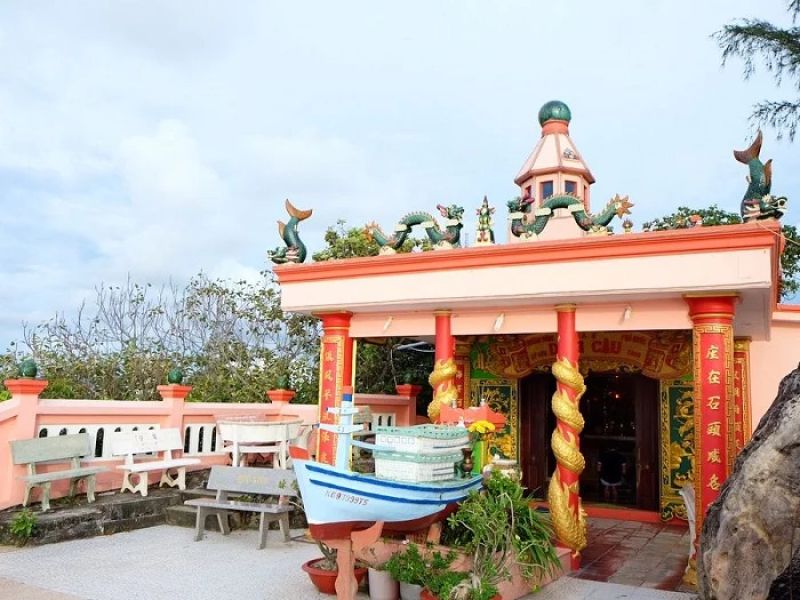
The Legend of Dinh Cau Temple, Phu Quoc - The Story of the Deities Who Protect Fishermen at Sea
Discover the legend of Dinh Cau Temple in Phu Quoc, a shrine honouring the deities who protect fishermen at sea, along with the folk tales woven…

Sea Walker - Walk on the Seabed Without Knowing How to Swim
Discover Sea Walker, the seabed walking experience you can enjoy without knowing how to swim, plus essential tips to make the most of your adventure

Awaken Sea Phu Quoc - A Spectacular Flyboard Show at Sunset
Marvel at the breathtaking flips and stunts of Awaken Sea Phu Quoc, performed by world-renowned athletes.