
 Tiếng Việt
 English
 한국어
 简体中文
 繁體中文
 Русский
How to Travel Safely in Phu Quoc During the Southwest Monsoon Season
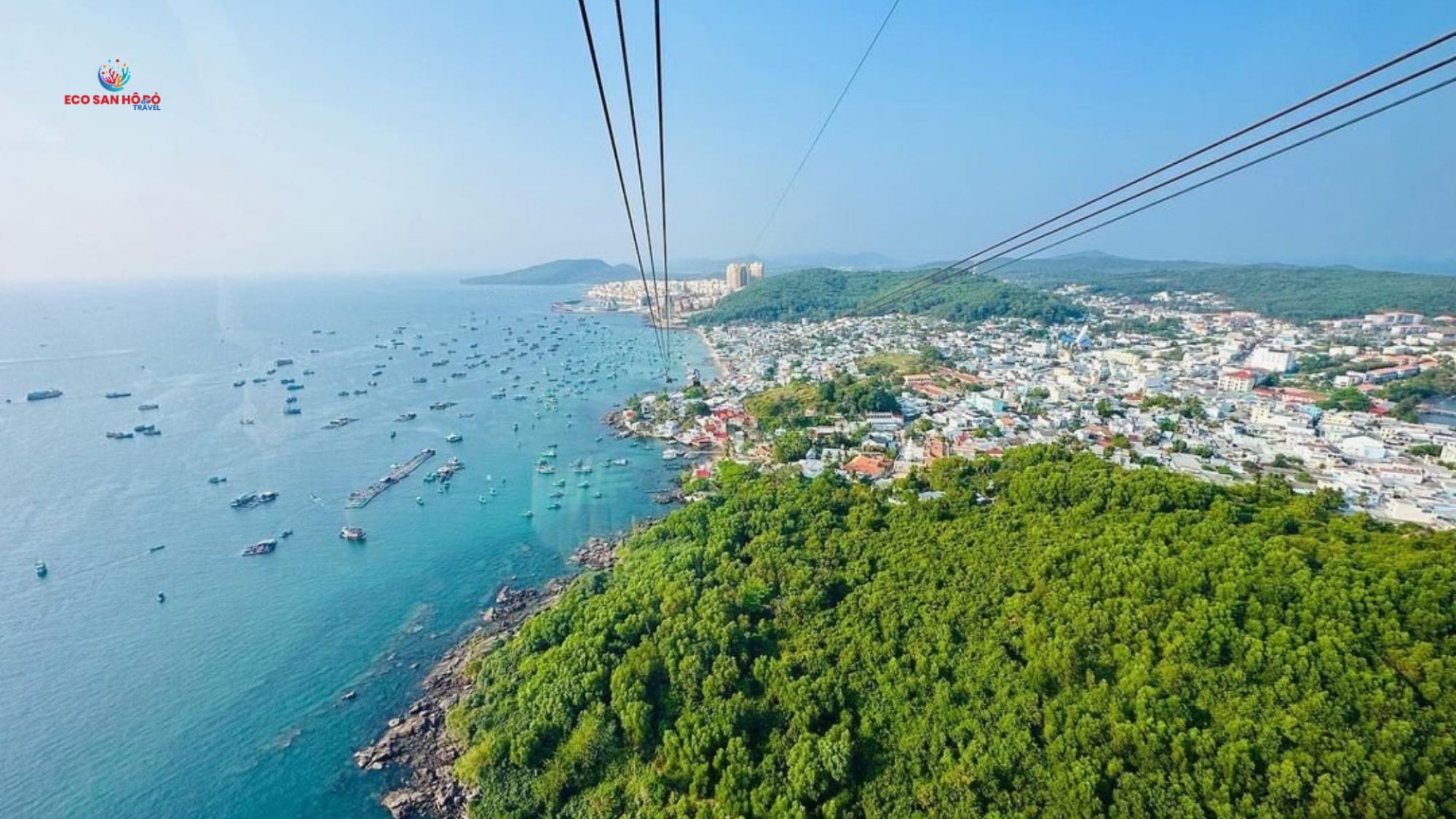
- What Is the Southwest Monsoon?
- Key Features of the Southwest Monsoon in Phu Quoc
- How the Southwest Monsoon Affects Phu Quoc
- How to Travel Safely in Phu Quoc During the Southwest Monsoon
- Why Is Phu Quoc Still So Popular During the Southwest Monsoon?
- Packing List for a Safe Phu Quoc Trip
- Frequently Asked Questions About the Southwest Monsoon in Phu Quoc (FAQ)
When people hear the words southwest monsoon, many travellers worry that sudden thunderstorms or rolling waves will spoil their trip. But once you understand how the winds behave and arm yourself with some rainy-season travel know-how, you can enjoy a safe Phu Quoc holiday at a remarkably good price, with an itinerary that the weather barely touches.
What Is the Southwest Monsoon?
Unlike the northeast monsoon, which brings dry, cool weather, the southwest monsoon is a wind that blows mainly from the southwest towards the northeast, driven by differences in air pressure. As it travels across the sea, this air mass soaks up plenty of moisture, so it tends to be hot and humid and often brings widespread rain (Source: Wikipedia).
Key Features of the Southwest Monsoon in Phu Quoc
- Duration: May to October (strongest from June to August).
- Weather: Hot, humid and moisture-laden, bringing rain showers.
- Average temperature: 25–30°C (cool and pleasant).
- Coasts with big waves: West & southwest coasts (Bai Truong and Duong Dong).
- Coasts with calm waters: East coast & south of the island (Bai Sao, Bai Khem).
How the Southwest Monsoon Affects Phu Quoc
In Phu Quoc, the southwest monsoon lasts around six months on average, and it is this natural phenomenon that shapes Phu Quoc's rainy-season weather.
Unlike the persistent drizzle that can drag on for days in northern or central Vietnam, monsoon rain in Phu Quoc mostly comes as short thundery showers. They tend to roll in quickly in the afternoon or evening and then clear completely, leaving the skies dry again.
Most importantly, the island's geography means conditions vary a great deal from beach to beach:
- West and southwest coasts (Bai Truong, Duong Dong, Bai Dai, Ganh Dau...): These areas face the wind head-on, so the waves are often big, the water is murkier and natural debris may wash up on the sand.
- East coast and south of the island (Bai Sao, Bai Khem, An Thoi Archipelago...): Sheltered by the forested mountains at the heart of the island, these become Phu Quoc's calm rainy-season beaches, with clear blue water and very safe swimming.
How to Travel Safely in Phu Quoc During the Southwest Monsoon
For a smooth trip that the weather won't interrupt, just keep these few simple tips on getting around and choosing where to go in mind.
Skip the west coast – head east and south
If the waves at Bai Truong or Duong Dong are too rough for swimming, make your way over to Bai Sao or Bai Khem. Tucked into sheltered, bowl-shaped bays, these beaches keep their clear turquoise water and gentle ripples, making them perfect for families with young children to swim and snap some photos.
Enjoying island-hopping and snorkelling tours safely
Many people assume island tours are off the table in the rainy season, but in reality, on days with light winds, trips around the An Thoi Archipelago in the south of the island run as normal.
To make sure your Phu Quoc trip stays safe, you should:
- Check the weather forecast and sea conditions before booking a tour.
- Choose a reputable tour operator when you book a 4-island tour or a 2-island coral snorkelling tour, so you can travel safely and with peace of mind, knowing you can reschedule flexibly or get a refund if the weather turns bad or the sea gets rough.
Plan the right itinerary and transport
- Use your time wisely: Save the mornings – when it is usually dry with gentle sunshine – for outdoor activities such as swimming, visiting streams or touring farms. In the late afternoon and evening, when showers are more likely, switch to indoor attractions (VinWonders, Safari, the Teddy Bear Museum, Neptune's Palace), treat yourself to a spa session or enjoy the local food.
- Get around by car: Rather than renting a motorbike and getting caught in a sudden downpour, booking a Phu Quoc car rental with a private driver or a self-drive car will keep your family dry, safe and comfortable throughout your trip.
Why Is Phu Quoc Still So Popular During the Southwest Monsoon?
Despite the rougher waves on the west coast, travelling to Phu Quoc during the southwest monsoon comes with big advantages that peak season simply can't offer:
- Significant savings: Rates for 4–5-star hotels and resorts, flights and experiences all drop by 10% to 30%. You can easily enjoy a luxury stay at a very reasonable price.
- A peaceful getaway: No more crowds or queues at the attractions. You can soak up the full peace and tranquillity of the Pearl Island's nature.
- Lush green landscapes: This is the season when Suoi Tranh and Suoi Da Ban streams are full of babbling water – perfect for exploring and taking a dip in the cool, refreshing streams.
Packing List for a Safe Phu Quoc Trip
To stay one step ahead on your trip, be sure to pack the following essentials:
- Rain gear: Always keep a compact folding umbrella in your backpack, along with a lightweight raincoat and a waterproof pouch to protect your phone and camera.
- Suitable footwear: Opt for plastic sandals or rubber flip-flops with good grip to avoid slipping on wet roads
- Personal medicine: Bring some basic medicines such as cold and fever remedies, allergy tablets, plasters and mosquito repellent spray. If you plan to take the high-speed ferry, pack some seasickness tablets too.
- Stay informed: Save your tour operator's hotline and regularly check practical tips on our Phu Quoc travel guide page so you can adjust your plans accordingly.
Frequently Asked Questions About the Southwest Monsoon in Phu Quoc (FAQ)
Phu Quoc lies deep in the Gulf of Thailand, so it is very rarely hit directly by major storms. Rain during the southwest monsoon is mostly short, sharp thundery showers that clear after 1–2 hours, rather than drizzle that drags on all day.
It's best to book accommodation on the east coast or in the south of the island (near Bai Sao, Bai Khem), or in central Duong Dong, so you can easily reach the indoor attractions in the north or south of the island.
When a strong surge in the monsoon whips up waves beyond safe limits, the Inland Waterways Port Authority will temporarily stop licensing speedboats to sail out to the islands. In that case, tour operators will help travellers switch their itinerary to attractions on the main island.

Our team of tour guides and tour operators lives right here in Phu Quoc, and we write our guides from the very trips we've led: ticket prices, itineraries and hands-on tips, updated every month.
Related articles
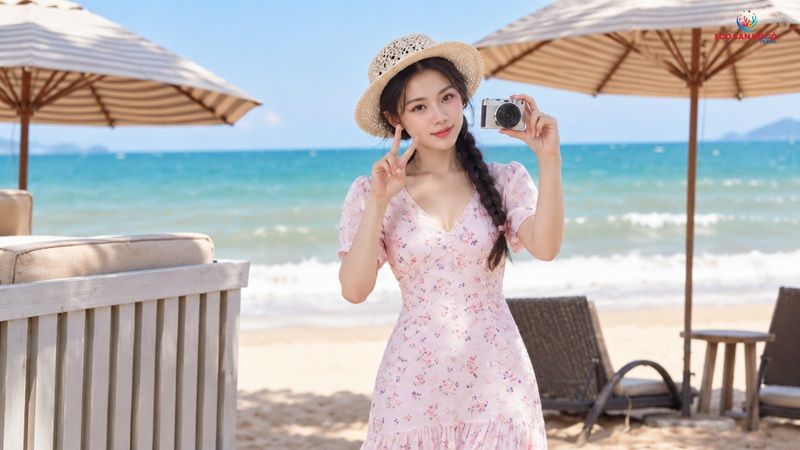
What to Wear on a Phu Quoc Island Tour? 10 Outfit Ideas for Picture-Perfect Photos
A guide to choosing stylish, comfortable outfits for your Phu Quoc island tour. Outfit ideas for men and women, so you can pose for those Insta-worthy…
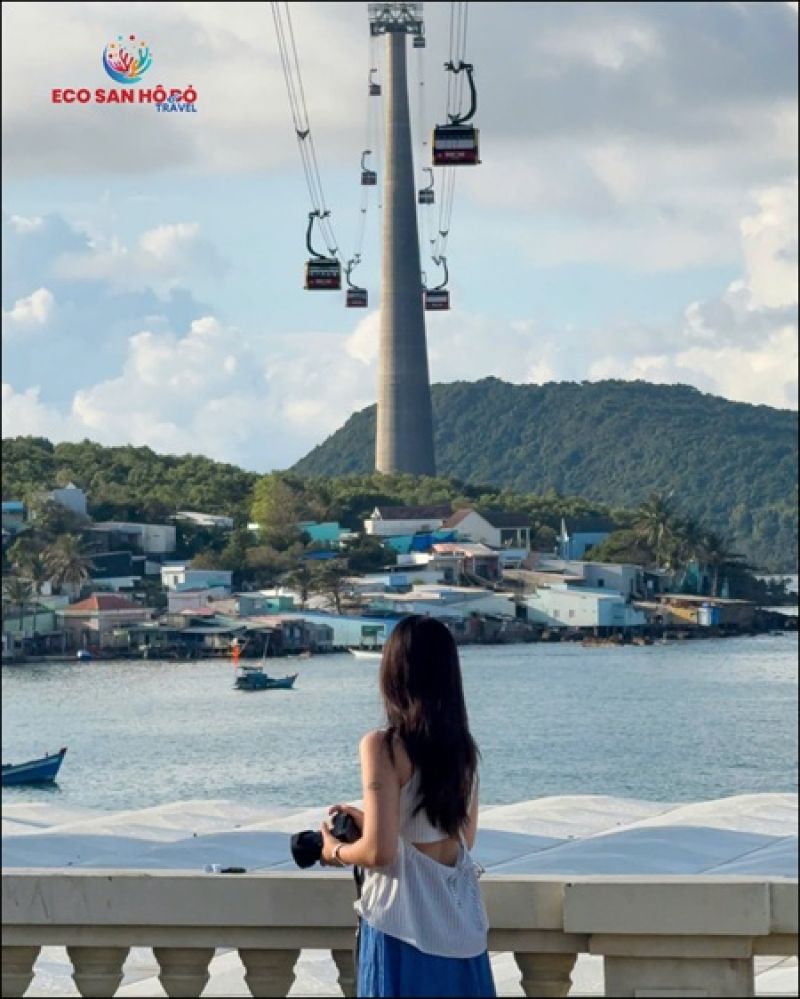
Island Tour with Cable Car or DIY Hon Thom Tickets: Which Should You Choose?
How does a speedboat island tour combined with the Cable Car compare with buying your own cable car tickets? Should you combine or separate these two…
How to Choose a Reputable Tour Company in Phu Quoc and Avoid "Cheap Price" Traps
The key criteria for choosing a reputable tour company in Phu Quoc, so you don't lose money to cheap-price traps