
 Tiếng Việt
 English
 한국어
 简体中文
 繁體中文
 Русский
Phu Quoc Weather & Travel Guide Month by Month: The Complete A-Z

- 1. An overview of Phu Quoc's climate
- 2. Phu Quoc weather in the dry season (November – April): Peak tourist season
- 3. Phu Quoc weather in the rainy season (May – October): See the Pearl Island from a different angle
- 4. Phu Quoc Weather & Travel in Detail, Month by Month
- 5. How the weather affects sea activities
- 6. Tips for budgeting & packing by season
- Frequently Asked Questions About Phu Quoc Weather (FAQ)
- Related Articles
Phu Quoc – the Pearl Island, Vietnam's own tropical paradise, has long been a dream destination, with soft white-sand beaches, water so clear you can see right to the bottom and some of the richest coral ecosystems anywhere. The island does, however, have a distinctly tropical monsoon climate, and the weather changes considerably over the course of the year.
To make the most of your trip and avoid being caught out by unexpected downpours, understanding Phu Quoc's weather month by month is essential. This guide gives you a complete overview of the Pearl Island's climate, so you can plan your sightseeing and diving with confidence and choose the best time to visit!

Phu Quoc weather across all 12 months of the year.
1. An overview of Phu Quoc's climate
Located in the Gulf of Thailand, Phu Quoc has a sub-equatorial tropical monsoon climate. Unlike northern Vietnam with its four distinct seasons, or central Vietnam with its frequent major storms, Phu Quoc's climate stays fairly mild and pleasant all year round, with average temperatures ranging from 25°C to 28°C.
Phu Quoc has two clearly defined seasons:
- Dry season: Starts in November and lasts until April of the following year.
- Rainy season: Usually runs from May to October.
The island's average annual rainfall is fairly high, concentrated mainly in the middle and latter part of the rainy season. Even so, surrounded by sea and covered in primeval forest, the island enjoys pleasant weather that suits a relaxing holiday at any time of year, as long as you know which places offer the right experiences for each season.
2. Phu Quoc weather in the dry season (November – April): Peak tourist season
The dry season is the best time to explore the Pearl Island. The southwest monsoon gives way to the northeast monsoon, bringing dry weather, brilliant golden sunshine and calm seas that are ideal for all kinds of activities on and around the water.
Dry season highlights
- Weather: Gentle sunshine, almost no rain, low humidity and temperatures of around 26°C to 31°C.
- Experiences not to miss: Swimming at Bai Sao and Bai Khem, island-hopping speedboat tours, photo stops at Sunset Town, or watching a fiery red sunset at Dinh Cau Lighthouse.
- Snorkelling the southern islands: This is when the sea is at its clearest, with underwater visibility of 5 to 10 m. The natural coral reefs around Hon Gam Ghi and Hon May Rut burst with colour, perfect for snorkelling and diving.
>> Explore our Phu Quoc 2-island coral snorkelling tour an all-inclusive package with full safety support.
Pros & cons of travelling in the dry season:
- Pros: Picture-perfect weather, super-smooth speedboat rides, and trips that usually run exactly to schedule.
- Cons: This is peak season (especially for international visitors), so hotel rates and airfares can be higher than usual.
3. Phu Quoc weather in the rainy season (May – October): See the Pearl Island from a different angle
Many travellers worry that Phu Quoc's rainy season will spoil their trip. But once you understand what the weather is like at this time of year, you can still enjoy a wonderful holiday, save a considerable amount of money and have a more relaxed, fulfilling time with your family.
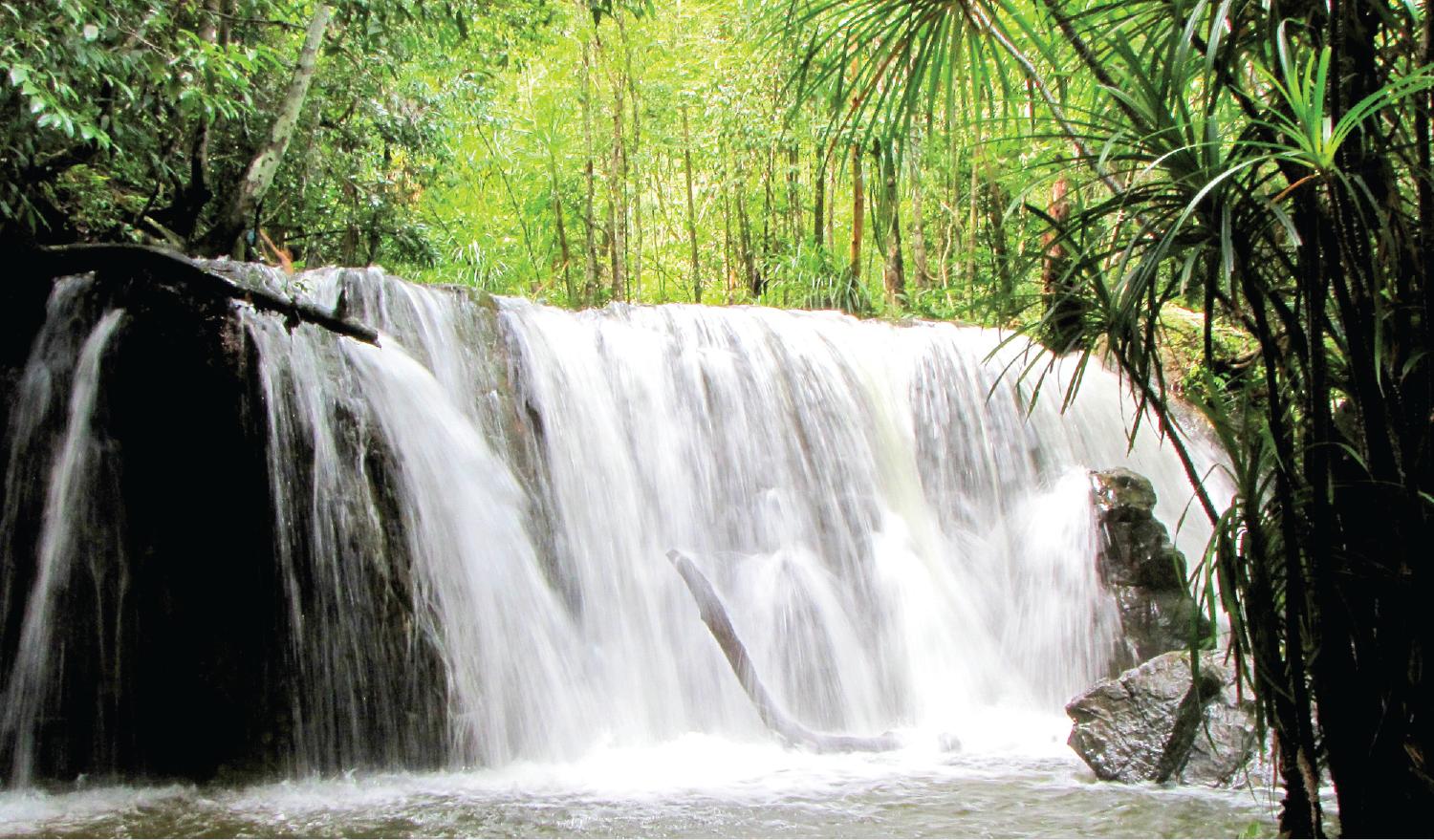
Travelling to Phu Quoc in the rainy season. (Source: Collected)
What is the rainy season in Phu Quoc like?
Rain in Phu Quoc usually comes as short showers that arrive quickly and clear just as fast, mostly passing with the clouds. It rarely rains all day, except during spells affected by tropical depressions or major storms.
- Should you visit Phu Quoc in the rainy season? Yes! The rainy season brings lush, fresh scenery and a wonderfully cool, peaceful atmosphere. There are also far fewer international visitors than in peak season, making it easier to get around.
- Best experiences: Explore Suoi Tranh and Suoi Da Ban streams (which only have enough water for swimming in the rainy season), visit a fish sauce barrel house or a bird's nest farm, or have fun at indoor complexes such as VinWonders and Grand World. A ride on the cable car is another experience that is rarely affected in the rainy season.
- Rainy season tip: If you are visiting Phu Quoc at this time, the southwest monsoon brings big waves to the west coast (Duong Dong, Bai Dai and Bai Truong). Head over to the east coast instead (Bai Sao, Bai Khem). Sheltered from the wind by the mountains, the east coast is wonderfully calm and peaceful during this season.
4. Phu Quoc Weather & Travel in Detail, Month by Month
January – March
- Weather: Beautiful sunshine, no rain, mostly calm seas and pleasant, slightly warm temperatures of around 27°C.
- This is peak travel season, ideal for 4-island tours, coral snorkelling and beach camping.
April – June
- Weather: The transition between seasons. Temperatures rise slightly to 29°C – 32°C, and scattered showers begin to appear in some areas, lasting a few minutes or passing with the clouds.
- Prices start to drop, international visitor numbers gradually fall and domestic travellers start to increase as the summer holidays arrive. A good choice for travellers on a budget.
July – September
- Weather: The height of the rainy season, with high humidity and frequent big waves on the west coast.
- At this time, not only Phu Quoc's weather but also other regions such as central and northern Vietnam are strongly affected by tropical depressions, and thunderstorms or typhoons may occur.
- If you choose to travel at this time, keep a close eye on the weather forecast and have a backup plan. Prioritise indoor attractions such as VinWonders Phu Quoc, Vinpearl Safari and Grand World, or the beaches on the east coast.
October – December
- Weather: The changeover from the rainy season to the dry season. The weather gradually cools and the sunshine returns.
- This is a great time to snap up cheap resort rooms or leisure combo packages with hot deals before peak season begins.
Every month of the year, Phu Quoc offers its own distinctive experiences and seasonal charm. To find out which places are best to visit in each type of weather, check out our Phu Quoc weather forecasts and travel tips for specific months, so you can pick the right time to suit your travel plans.
5. How the weather affects sea activities
For travellers who love the sea, islands and water activities, the weather and sea conditions play a decisive role in your experience:
- Calmest season for coral snorkelling: November to April. The crystal-clear water lets sunlight reach deep down to the seabed, showing off the full colours of the hard and soft coral reefs.
- Maritime safety note: On days when the weather turns bad or the wind is strong, the port authorities ban boats and speedboats from leaving port to ensure safety.
- How to check the forecast: Before booking a speedboat or snorkelling tour, check the sea conditions in advance and get advice from local tour operators who know the area well.
Sea conditions and weather determine more than 90% of the quality of a traveller's experience. If you're unsure how they might affect your trip, take a closer look at how the weather affects activities in Phu Quoc, so you can plan the right sightseeing and adventures for the time you travel.
6. Tips for budgeting & packing by season
How to find low prices in the rainy and shoulder seasons
- Airfares and 4- to 5-star resort rates from May to October are typically 10–30% lower than in the dry season.
- Book your services 2–3 weeks in advance to take advantage of promotional travel deals, which can help you save considerably on your trip.
What to Pack
- Dry season: Bring bright, colourful outfits, swimwear, mineral (physical) sunscreen, sunglasses, a wide-brimmed hat and a waterproof pouch for your phone.
- Rainy season: Pack a compact folding umbrella, a lightweight raincoat, non-slip sandals, a moisture-proof bag for your electronics and a light jacket in case of chilly winds at night.
Your experience will differ depending on whether you visit Phu Quoc in the rainy season or the dry season, but planning your Phu Quoc trip around the weather can save you a lot of money. Look out for cheap flights, dining vouchers, discounted activity combos and accommodation promotions that suit your budget.
Frequently Asked Questions About Phu Quoc Weather (FAQ)
The best time to visit Phu Quoc is the dry season (from November to April). The weather is sunny, the sea is calm and the water is crystal clear, making it ideal for speedboat island-hopping tours, snorkelling over coral reefs and taking photos at scenic spots.
Phu Quoc's rainy season runs from May to October, with the heaviest rainfall in August and September. You can still travel during this time, as rain in Phu Quoc usually comes as short showers that clear quickly. The upside is that room rates and service prices are extremely low, and it's never crowded.
On stormy days, head for indoor entertainment venues or covered complexes such as VinWonders and Grand World (the "city that never sleeps"), catch an arts performance, or enjoy local food and seaview cafés in central Duong Dong. If you still want a swim, make your way to the east coast (Bai Sao, Bai Khem), which is more sheltered from the wind and has smaller waves than the west coast.
The calmest seas and clearest water for snorkelling are from November to April. If you visit during the rainy season (May to October), ask a reputable tour operator for advice on choosing well-sheltered snorkelling spots on the east coast or in the south of the island.
Dry season: Prioritise swimwear, sunscreen, sunglasses, a wide-brimmed hat and bright outfits for photos.
Rainy season: Bring a compact folding umbrella, a waterproof bag for your phone/camera, quick-dry clothing, sandals with good grip and a light jacket.
Related Articles
Tips on Choosing the Weather & Travel Season
- Where to go in Phu Quoc during the rainy season?
- When is the sea calmest for snorkelling in Phu Quoc?
- Should you visit Phu Quoc in October?
Itineraries and Attractions in the South of the Island
- Top 10 must-visit attractions in the south of Phu Quoc.
- All-inclusive 3 days 2 nights Phu Quoc itinerary.
Discover Our Top Sea Experiences

Our team of tour guides and tour operators lives right here in Phu Quoc, and we write our guides from the very trips we've led: ticket prices, itineraries and hands-on tips, updated every month.
Related articles
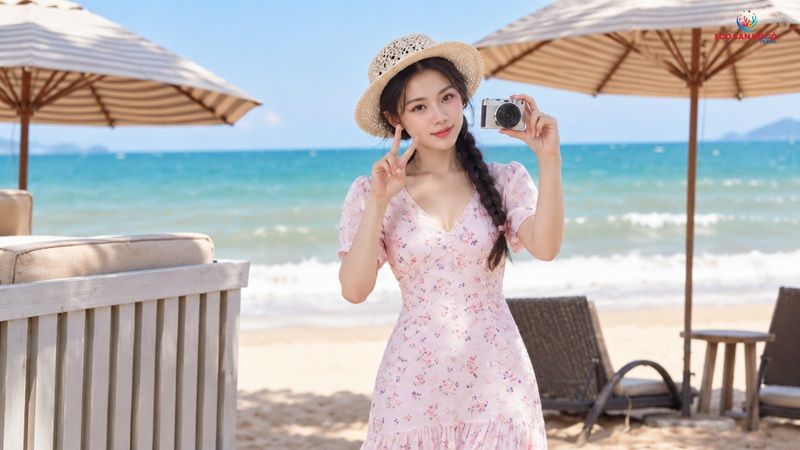
What to Wear on a Phu Quoc Island Tour? 10 Outfit Ideas for Picture-Perfect Photos
A guide to choosing stylish, comfortable outfits for your Phu Quoc island tour. Outfit ideas for men and women, so you can pose for those Insta-worthy…
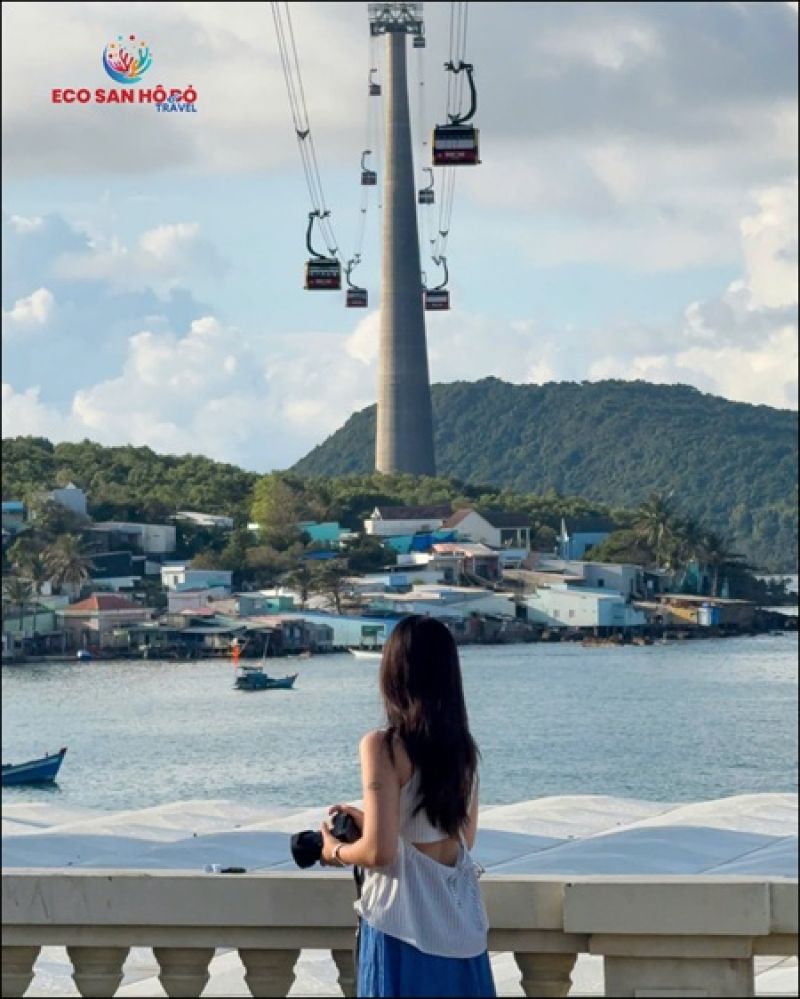
Island Tour with Cable Car or DIY Hon Thom Tickets: Which Should You Choose?
How does a speedboat island tour combined with the Cable Car compare with buying your own cable car tickets? Should you combine or separate these two…
How to Choose a Reputable Tour Company in Phu Quoc and Avoid "Cheap Price" Traps
The key criteria for choosing a reputable tour company in Phu Quoc, so you don't lose money to cheap-price traps